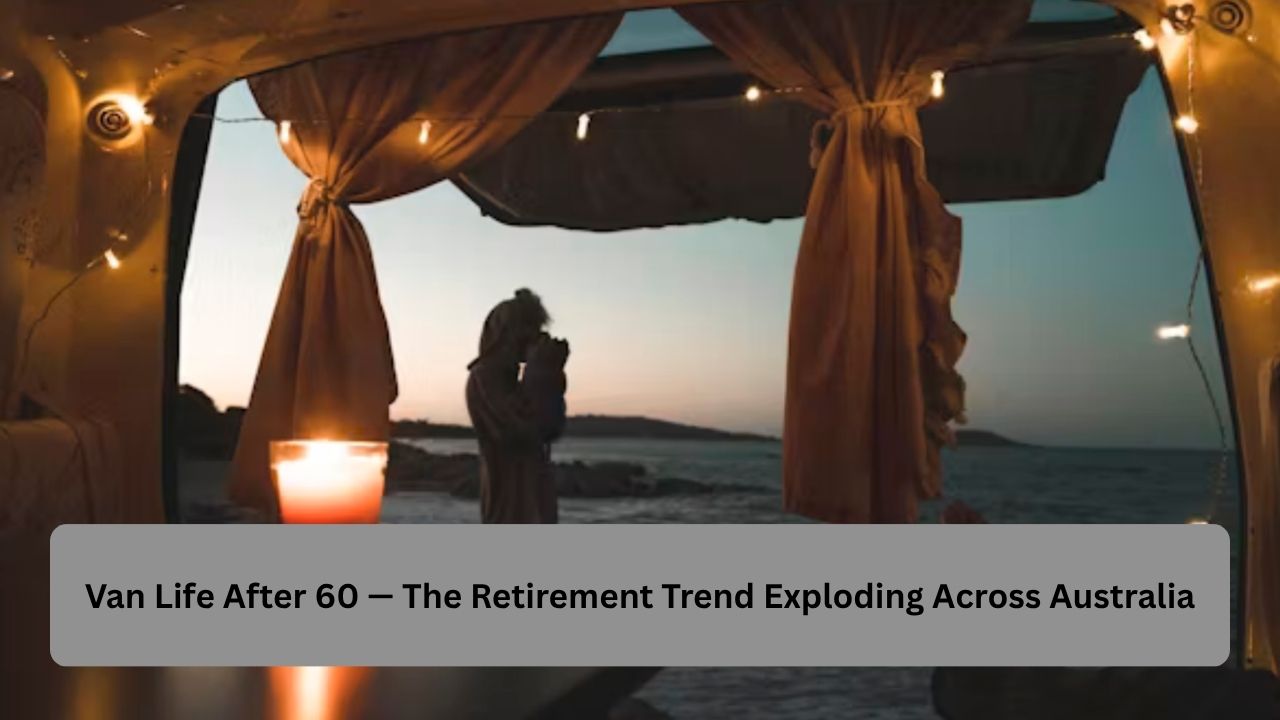
At 67, Margaret never imagined she’d be waking up to the sound of waves on one coast one week and birdsong in the outback the next. After selling her suburban home in Brisbane, she and her partner traded routine for the open road. “We didn’t want to just retire,” she says. “We wanted to live.”
In 2026, a growing number of Australians over 60 are embracing van life—a mobile, minimalist lifestyle that combines travel, independence, and surprisingly, financial practicality. What was once seen as a youthful adventure has become one of the fastest-growing retirement trends across the country.
Here’s why van life is booming among older Australians, what it really costs, and whether it’s a realistic option for your retirement.
What’s Driving the Van Life Boom in 2026
The rise of van life among retirees is being fueled by a mix of economic and lifestyle factors.
Key reasons behind the trend:
- ✅ Rising housing costs pushing retirees to sell homes
- ✅ Desire for freedom and travel after retirement
- ✅ Ability to unlock home equity for funding lifestyle
- ✅ Improved campervan technology and comfort
- ✅ Expanding network of caravan parks and facilities
For many, van life offers a way to stretch retirement savings while enjoying a richer lifestyle.

What Van Life Really Looks Like
Van life today is far from roughing it. Modern setups can include:
- Compact kitchens and fridges
- Solar panels for off-grid power
- Comfortable sleeping areas
- Portable bathrooms or access to park facilities
- Internet connectivity for staying in touch
Margaret laughs when asked about comfort: “It’s not camping—it’s downsized living with a view that changes every day.”
How Much Does It Cost?
One of the biggest appeals of van life is affordability.

Here’s a typical monthly budget for retirees living on the road:
| Expense Category | Monthly Cost (AUD) |
|---|---|
| Caravan park fees / camping | $300 – $800 |
| Fuel | $200 – $400 |
| Food | $300 – $500 |
| Insurance & maintenance | $150 – $300 |
| Miscellaneous | $100 – $200 |
| Total | $1,050 – $2,200 |
For those who travel slowly and use free camping options, costs can stay closer to the lower end.
Real Stories Behind the Lifestyle
Margaret and her partner now spend most of their time exploring coastal Queensland and regional New South Wales.

“We’ve met more people in a year than we did in ten years living in the suburbs,” she says.
Meanwhile, David, a 72-year-old solo traveller, says van life helped him stay active after retirement. “I didn’t want to sit at home watching TV. This keeps me moving, physically and mentally.”
These stories highlight how van life is about more than money—it’s about lifestyle and purpose.
Government Perspective
Australian authorities have taken note of the growing number of retirees living on the road.
A regional development official noted:
“Mobile retirees contribute significantly to local economies, particularly in regional areas. Supporting infrastructure like caravan parks and rest areas is becoming increasingly important.”

Governments are continuing to invest in facilities that support grey nomads, including improved rest stops and regional services.
Expert Analysis and Data Insight
Experts say van life can be financially viable—but it’s not for everyone.
Key insights:

- Thousands of Australians over 60 are now classified as “grey nomads”
- Selling a home can provide significant capital for travel
- Healthcare access and insurance remain critical considerations
Financial advisor Mark Bennett explains:
“Van life can reduce living costs, but retirees need to plan for long-term expenses like vehicle maintenance and medical care.”
Experts also stress the importance of having a financial buffer.

Comparison Table: Traditional Retirement vs Van Life
| Category | Traditional Living | Van Life |
|---|---|---|
| Housing costs | High | Low to moderate |
| Mobility | Limited | High |
| Lifestyle | Stable | Flexible |
| Social interaction | Local | Constantly changing |
| Financial flexibility | Moderate | Potentially higher |
This comparison shows why many retirees are making the switch.
Who Is Choosing Van Life?
Van life is especially popular among:
- Retirees with no dependents
- Couples seeking travel experiences
- Individuals looking to reduce living costs
- Homeowners who can sell property to fund the lifestyle
It’s less common among those needing regular medical care or strong community ties.
What You Should Know Before Starting
Before hitting the road, consider these key factors:
- Your health and access to medical services
- The reliability and condition of your vehicle
- Insurance coverage for travel and living
- Legal requirements for vehicle registration and licensing
- Budgeting for fuel and maintenance
Preparation is essential to make van life sustainable.
Challenges to Consider
While van life offers freedom, it also comes with challenges:
- Limited space and storage
- Weather conditions affecting travel
- Access to consistent healthcare
- Managing long-term finances
- Potential loneliness for solo travellers
Margaret admits, “It’s not always perfect—but the positives far outweigh the negatives for us.”
Is Van Life Sustainable Long-Term?
For many retirees, van life works best as a flexible lifestyle rather than a permanent solution.
Some choose to:
- Travel for part of the year
- Maintain a small home base
- Alternate between travel and staying with family
This hybrid approach offers both freedom and stability.
Frequently Asked Questions (Q&A)
1. What is van life?
Living and traveling in a campervan or motorhome full-time or part-time.
2. Is van life popular among retirees?
Yes, it’s growing rapidly in Australia.
3. How much does it cost per month?
Between $1,050 and $2,200 depending on lifestyle.
4. Do I need to own a van?
Yes, or a motorhome/caravan setup.
5. Is it cheaper than traditional living?
Often yes, especially with low camping costs.
6. What about healthcare?
Access can be limited in remote areas.
7. Is it safe?
Generally yes, with proper planning and precautions.
8. Can couples do van life comfortably?
Yes, many couples choose this lifestyle.
9. What are the biggest challenges?
Space, maintenance, and healthcare access.
10. Do I need a large budget to start?
Initial vehicle costs can be significant.
11. Can I still receive the Age Pension?
Yes, eligibility remains unchanged.
12. Is internet access available?
Yes, but it varies by location.
13. Can I stop van life anytime?
Yes, many retirees treat it as flexible.
14. Is it suitable for everyone?
No, it depends on health, preferences, and finances.
15. Is the trend expected to grow?
Yes, especially as housing costs rise.








Leave a Comment