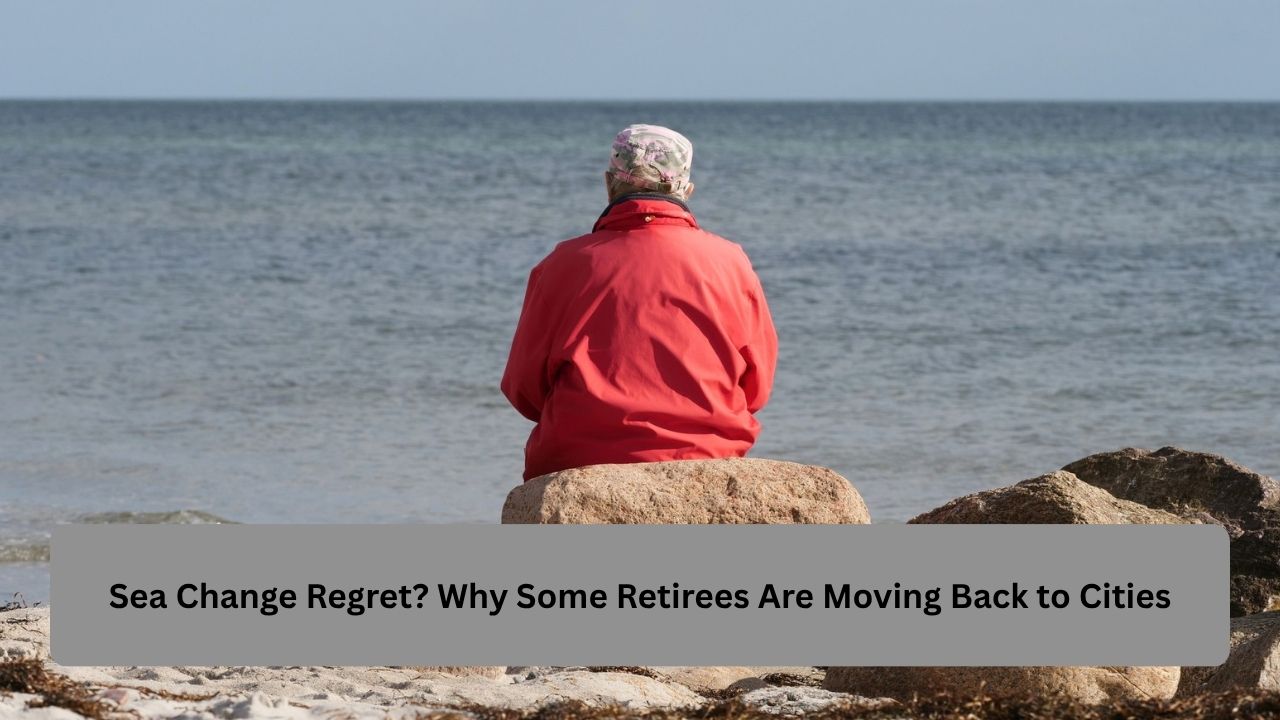
For years, the dream of a “sea change” has defined retirement in Australia—sunrise walks on the beach, quieter communities, and a slower pace of life. But for 70-year-old Graham, who moved from Melbourne to a coastal town in 2023, the dream didn’t quite last. “It was beautiful,” he says. “But after a while, I realised I missed the convenience of the city.”
In 2026, a surprising shift is emerging. While many retirees still head to the coast, a growing number are quietly returning to urban areas. Rising costs, healthcare access, and lifestyle challenges are prompting a rethink of what retirement living should really look like.
Here’s why some retirees are experiencing “sea change regret”—and why cities are calling them back.
What’s Changing in 2026
The traditional flow of retirees moving from cities to coastal towns is no longer one-way.
Key trends include:
- ✅ Increasing number of retirees relocating back to cities
- ✅ Rising living costs in once-affordable coastal areas
- ✅ Greater demand for healthcare and services
- ✅ Shift toward convenience over lifestyle alone
- ✅ Hybrid living becoming more common
While the sea change dream remains popular, it’s no longer the default choice for everyone.

Why Retirees Are Moving Back
Several practical challenges are driving retirees back to urban living.
1. Healthcare Access
Access to hospitals, specialists, and emergency care is a major concern.
- Coastal towns often have limited medical facilities
- Travel to major hospitals can take hours
- Ongoing health needs increase with age
Graham explains, “When you need regular check-ups, distance becomes a real issue.”

2. Rising Coastal Living Costs
What was once affordable is becoming less so.
- Property prices have increased in popular coastal areas
- Insurance costs are higher in some regions
- Everyday expenses can exceed expectations
For some retirees, the financial advantage of moving disappears over time.
3. Limited Services and Transport
Urban convenience is hard to replace.

- Fewer public transport options
- Limited shopping and entertainment choices
- Reduced access to services
Linda, a retiree who returned to Sydney, says, “I missed being able to just hop on a train and go anywhere.”
4. Social Isolation
While coastal communities can be friendly, they may lack established social networks.
- Distance from family and long-time friends
- Smaller communities with fewer activities
- Difficulty rebuilding social connections
This can be especially challenging for single retirees.

Real Stories Behind the Trend
Graham eventually returned to Melbourne after three years by the coast.
“I don’t regret trying it,” he says. “But I realised I needed more support and convenience.”
In Queensland, Margaret moved back to Brisbane after struggling with healthcare access. “It wasn’t just about lifestyle anymore,” she explains. “It was about practicality.”
Meanwhile, some retirees are choosing a hybrid approach—splitting time between city and coast.
Government and Policy Perspective
Officials are aware of the shifting patterns.
A regional planning advisor noted:

“While regional migration remains strong, we’re seeing more people reassess their needs over time. Access to services is a key factor in long-term decisions.”
Governments continue to invest in regional healthcare and infrastructure, but gaps remain in some areas.
Expert Analysis and Data Insight
Experts say the trend reflects changing priorities as retirees age.

Key insights:
- Early retirement years focus on lifestyle and travel
- Later years prioritize healthcare and accessibility
- Rising property values in coastal areas reduce affordability advantages
Urban planning expert Daniel Foster explains:
“The sea change works well initially, but as needs evolve, many retirees reassess. Cities offer predictability and support systems.”
This shift highlights the importance of long-term planning.
Comparison Table: Coastal vs City Living
| Category | Coastal Living | City Living |
|---|---|---|
| Lifestyle | Relaxed | Fast-paced |
| Healthcare access | Limited | Extensive |
| Cost of living | Rising | High but predictable |
| Transport | Limited | व्यापक options |
| Social opportunities | Smaller | Diverse |
This comparison shows why some retirees are returning to cities.
The Rise of Hybrid Retirement
Instead of choosing one location, many retirees are combining both.
Common approaches include:
- Spending summers at the coast, winters in the city
- Maintaining a smaller city base
- Renting rather than owning in one location
This flexible model offers a balance between lifestyle and practicality.
What You Should Know
If you’re considering a sea change, keep these factors in mind:
- Plan for long-term healthcare needs
- Research local services before moving
- Consider proximity to family and support networks
- Budget for rising costs, not just current prices
- Think about future mobility and transport needs
A short-term trial can help you test the lifestyle before committing.
Is the Sea Change Still Worth It?
For many retirees, the answer is still yes—but with caution.
The key is understanding that:
- What works at 65 may not work at 75
- Lifestyle preferences can change over time
- Flexibility is increasingly important
Graham reflects, “I’m glad I did it. But I’m also glad I came back.”
Frequently Asked Questions (Q&A)
1. What is a sea change?
Moving from a city to a coastal area for a relaxed lifestyle.
2. Why are retirees moving back to cities?
Healthcare, costs, and convenience.
3. Is coastal living more expensive now?
In many areas, yes.
4. What is the biggest challenge?
Access to healthcare and services.
5. Are cities better for retirees?
They offer more services but come with higher costs.
6. What is hybrid retirement?
Living between two locations.
7. Should I avoid a sea change?
Not necessarily—just plan carefully.
8. Can I try it before moving permanently?
Yes, short-term stays are recommended.
9. Is this trend increasing?
Yes, more retirees are reconsidering their choices.
10. Does age affect the decision?
Yes, needs change over time.
11. Are smaller towns improving services?
Some are, but gaps remain.
12. Is social isolation common?
It can be, especially for newcomers.
13. What about property values?
They have risen in many coastal areas.
14. Can I move back easily?
It depends on finances and housing availability.
15. What’s the best approach?
Plan for flexibility and future needs.






Leave a Comment